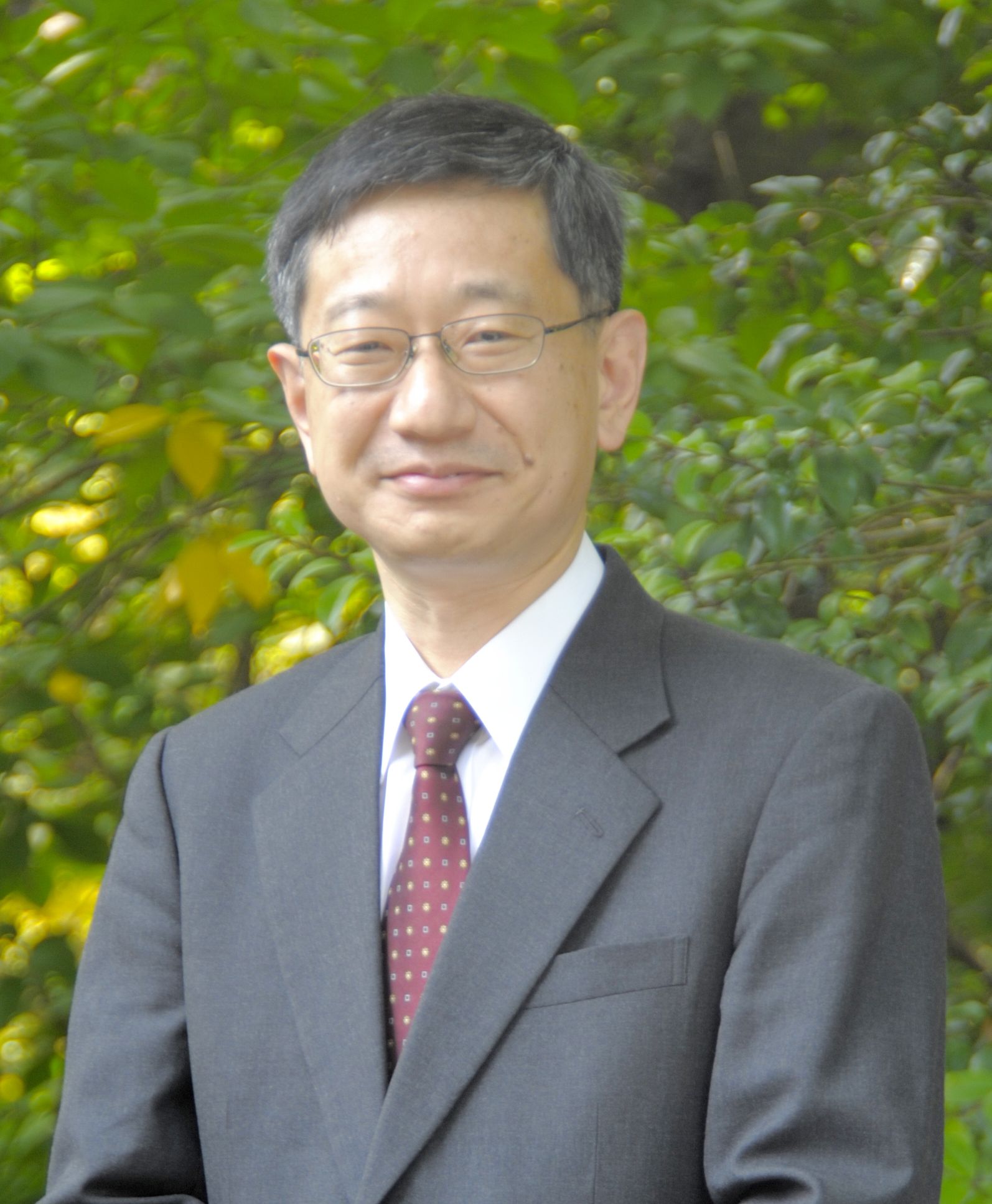
 Hitoshi Aida
Professor
Department of Electrical Engineering
and Information Systems, School of Engineering,
The University of Tokyo, Japan
Chairman
Committee for Information,
Computer and Communications Policy
in Organisation for Economic Co-operation
and Development (OECD)
Renewable Energy Powered, Disaster-Resilient Wireless Network Infrastructure
Because of rapid increase of smart phones, mobile phone operators are desperately trying to offload mobile phone traffic to femto cells,
WiFi hotspots or WiMAX coverage. On the other hand in Japan, because many base stations stopped operation due to long commercial power failure or broken fiber trunk
after Great East Japan Earthquake, people began thinking resilience of network infrastructure seriously. Attaching large batteries or powering mobile phone base station by renewable energy,
however, is not usually practical because of the size and weight of the equipments. In this talk, we investigate about the feasibility of WiFi-based wireless network infrastructure
powered by renewable energy, which is connected by fiber trunk and is used to offload mobile phone traffic in ordinary times and act as a wireless-relayed mesh network after disaster.
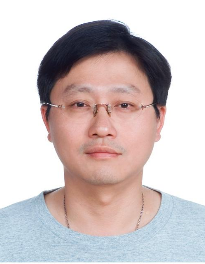 Tei-Wei Kuo
Distinguished Professor
Department of Computer Science
and Information Engineering,
National Taiwan University, Taiwan
Executive Director
Intelligent and Ubiquitous Computing
Thematic Center of the Research Center
of the IT Innovation, Academia Sinica, Taiwan
Board Director
Genesys Logic, Taiwan
Chairman
Embedded Systems Group of the National
Networked Communication Program office, Taiwan
The Positioning of Non-Volatile Memory in Embedded System Designs
In recent years, non-volatile memory has shown its great potentials in serving as a layer in the memory hierarchy, such as flash memory for the secondary storage of mobile devices.
Their inherent characteristics also point out new directions in system designs and grand challenges. In this talk, we will first have a brief introduction to the non-volatile memory,
especially flash memory and phase change memory. We will then present challenges and solutions for flash memory as a storage medium.
The talk is concluded by key challenges for system designs of phase change memory.


 Keynote Speakers


